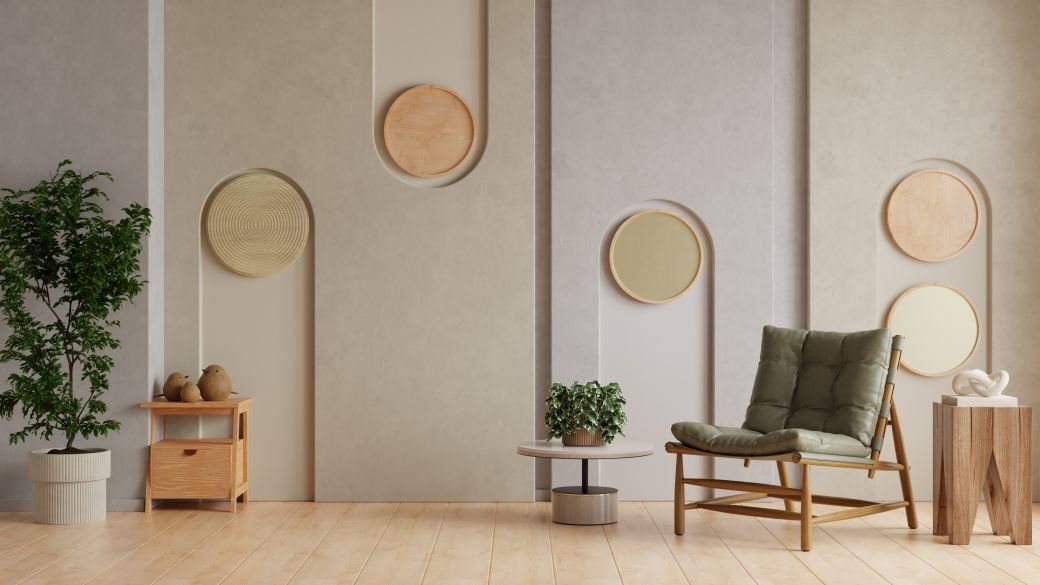
A healthy space means a healthy mind.
This Mental Health Awareness Week, we're exploring the correlations between concious, thoughtful design and improved mental and physical health. We've shared some of the core ways architects can improve their projects to better support wellbeing, and highlighted a few Bimstore manufacturers who promote holistic design across the lifecycle of a project.
Decades ago, when asbestos lingered in walls and smoking in office spaces went unquestioned, the impact of buildings on health was often dismissed. Today, with our developed understanding of the lasting effects of these external stimuli, we are encouraged to make greater considerations in our designs; architects intentionally design spaces that nurture mental health and foster wellbeing.
Healthy buildings consider elements like lighting, ventilation, and thermal comfort, features that have been shown to support both physical and mental wellbeing. By improving indoor air quality, reducing the risk of health conditions, and optimising temperature, lighting, and noise, design becomes a positive tool for the body and mind.
Passivhaus accreditation brings together these principles, advocating for buildings that benefit not only their occupants, but also the entire planet. There are several standards that must be met for a building to be Passivhaus accredited, from airtightness and ventilation, to heat recovery and energy production. Most of these changes also benefit occupants' wellbeing, establishing a correlation between living / working environments and human health.
Creating a Quieter Environment
One of the primary considerations for wellbeing design are acoustics and noise control. Noise pollution has long been considered to have health impacts, especially in the workplace, where it is proven to result in higher stress levels and impede on productivity. A ‘noise and wellbeing at work’ survey, taken in 2019, found that 65% of employees find excessive noise in the workplace (from conversations and phone calls to loud eating) impacts their ability to work accurately and efficiently.
Over time, noise disruptions can take a toll on mental health and wellbeing. Difficulty concentrating can lead to higher stress levels, irritation, and in some cases, anxiety or depression. Acknowledging these risks, the Control of Noise at Work Regulations 2005 addressed concerns about workplace noise pollution.
Though every workplace or building has unique requirements, with some work environments unavoidably generate greater noise pollution than others. Smarter design can still be implemented to improve overall noise quality. For example, implementing Acoustic Barriers, such as those provided by Siderise, can help to reduce room-to-room sound transmission. Likewise, Zentia’s Acoustic Ceiling Baffles work by converting sound energy into heat, improving the acoustic quality of a space by reducing echoes and maintaining a calm and quiet environment.
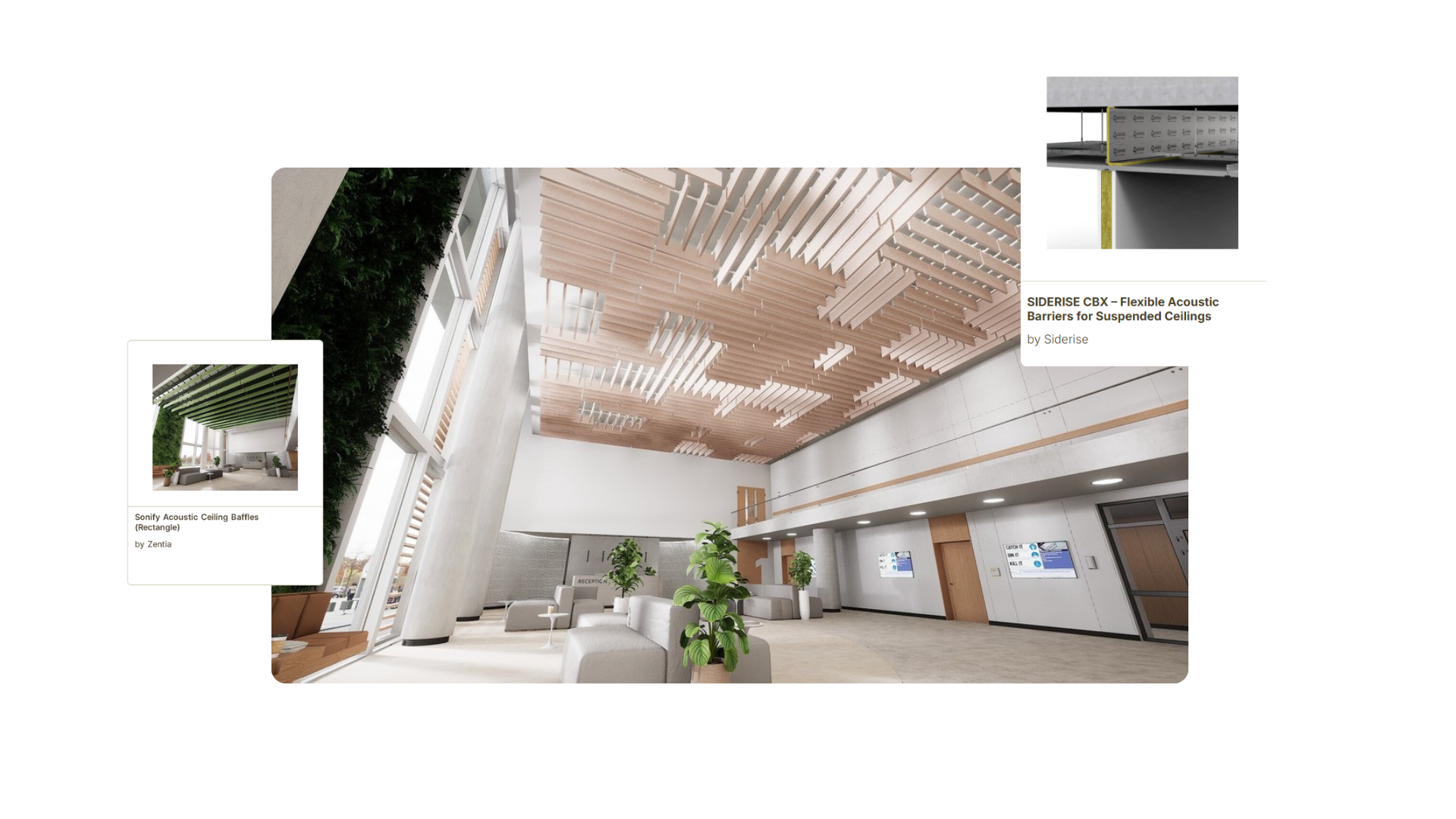
Explore Bimstore’s Acoustic / Noise Control Collection.
The Underestimated Influence of Lighting Design
Lighting often flies under the radar in wellbeing design, but its impact on mental health and cognitive function is significant. The right lighting can influence how we think, feel, and regulate our bodies throughout the day.
Dull or dim lighting in productive spaces can disrupt our circadian rhythms, confusing the mind and having detrimental effects on our internal body clock – leading to fatigue, a lack of focus, or even disturbed sleep. Naturally, this can have a mental impact.
The ideal remedy for this is sunlight, and natural lighting is always a healthy choice when designing for wellbeing. However, if you’re designing a building somewhere with limited access to natural light, alternative options must be considered. Mount Lighting are masters in the art of balancing sunlight and automated lighting, always taking into account UGR standards for office or educational spaces.
Unified Glare Rating (UGR) refers to ‘how bright a luminaire is compared to background luminance.’ This is particularly important to consider for spaces where concentration and productivity are valued, high UGC can result in headaches or eye conditions, whereas low UGR can make it difficult to focus – the correct balance must be struck. Mount Lighting design with wellbeing in mind, calculating the optimum UGR for bespoke work environments, providing attractive lighting design that doesn't compromise on health.
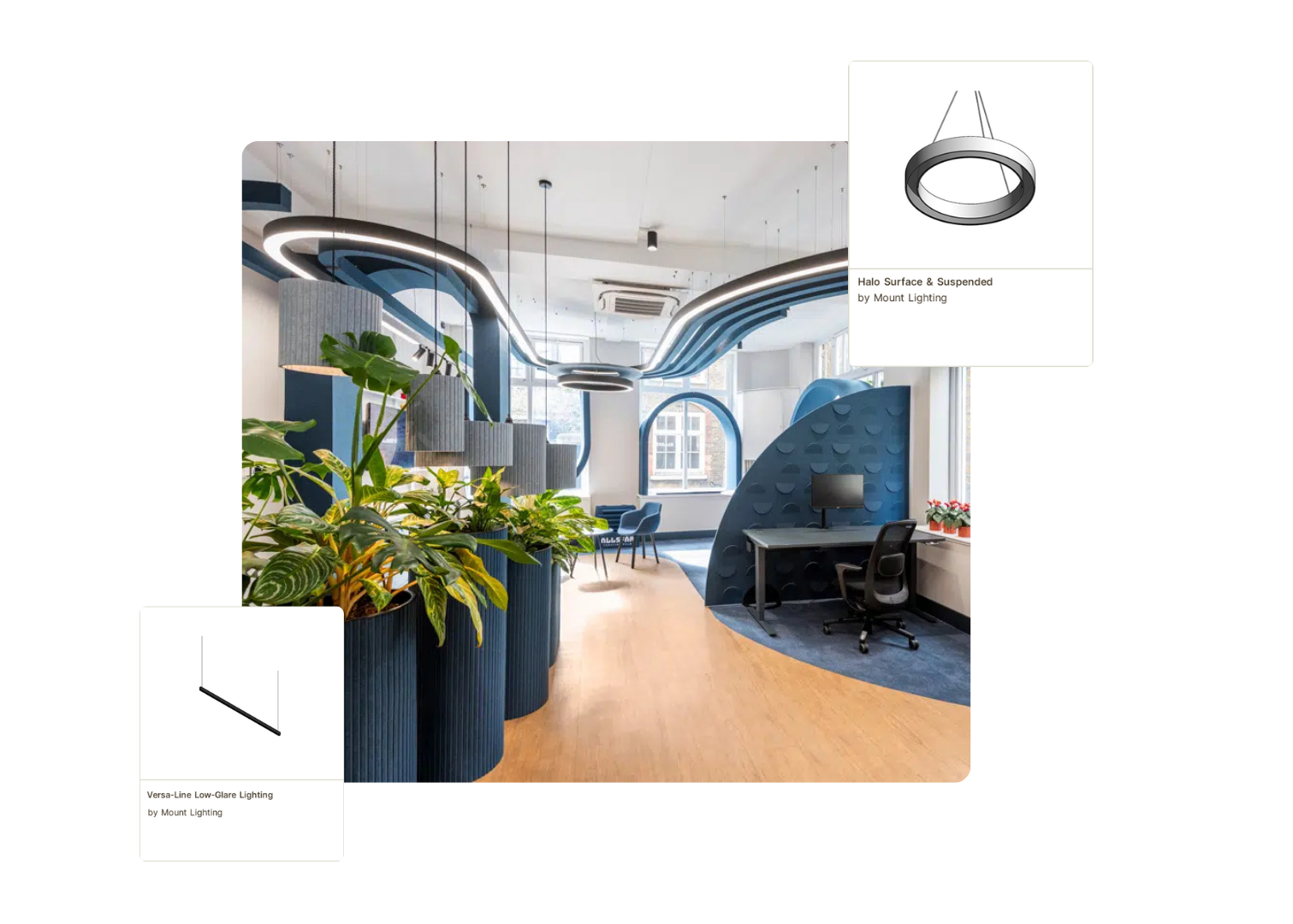
Explore Revit Families for Lighting on Bimstore
Biophilic Interior to Improve Overall Health
Another key aspect of wellbeing design is biophilia, the innate human connection to nature. Coined in the 1980s, the term describes our natural affinity for greenery and the outdoors. Biophilic design bridges the gap between built environments and the natural world, bringing proven benefits to both our physical and mental health.
Plants act as natural air purifiers, sucking carbon dioxide from the air and improving indoor air quality. Beyond this, they have also been proven to enhance productivity within workspaces and homes, with a study at Exeter University showing that those who worked in ‘green spaces’ were up to ‘15% more productive than their peers working in spaces with no greenery.’
Plants and greenery also help reduce anxiety and stress, wherever you are. Life can get hectic, and not everyone has time to step outside and reconnect with nature. Luckily, houseplants and indoor greenery bring the aesthetics of the outdoors inside, offering a tranquil retreat.
Even artificial plants and foliage, such as those provided by FireSilx, improve wellbeing. Their range of flame-retardant artificial plants are a stylish and low maintenance alternative to real indoor foliage, meaning less time can be spent on maintaining them. Inherently flame retardant, they offer ‘peace of mind and aesthetic appeal.’ Though they might lack air purifying qualities, these plants still contribute to a calming and productive environment.
Explore FireSilx’s range of artificial, flame-retardant plants on Bimstore
Designing for Comfort, Not Just Practicality
It goes without saying that comfortable buildings promote mental and physical wellbeing. Designing for comfort, not just practicality, should be a core value for architects working on high-functionality spaces, whether it be an office, a classroom, a hospital, or a residential building.
Comfortable design is often the amalgamation of a variety of elements, from material choices to spatial design and layout of a building. All the aforementioned features, such as acoustic performance, lighting, and biophilia are often also considered to produce the highest-quality space for supporting wellbeing and mental health.
When it comes to material choices, responsibly sourced, high-quality materials ensure healthier living and working environments, reducing the negative impacts of CO2 emissions, and providing greater thermal and acoustic insulation. Natural, soft-toned colours generate a sense of comfort, while open-plan designs and flexible furniture enhance the movability and accessibility of a building.
Popular manufacturers on Bimstore, such as Gresham Office Furniture and GROHE prioritise comfort with their extensive range of products. Gresham offer a plethora of comfortable and innovative office furniture designs, so you have plenty of choice over the best seating and desking options for your projects. Meanwhile, GROHE, who specialise in bathroom fixtures, combine award-winning design with sophisticated technologies, only using the highest-quality materials.
In conclusion, optimising your projects to strengthen their positive impact on mental and physical wellbeing requires several reflections. Every space has its own set of needs and requirements, meaning no two buildings will ever function the same. Designing to optimise the existing features of a space is a good place to start, whether that be through increasing windows to enhance natural sunlight, or adding plants and acoustic panelling.
This Mental Health Awareness Week, and beyond, we hope our users continue to acknowledge the benefits of healthy design on the body and the mind.


Products for Wellbeing
by Bimstore Curation
Magazine
BIMCRUNCH Issue 15: a new edition from our manufacturer community!
Earlier this year, Bimstore turned 15. Now, we’re sharing Issue 15 of BIMCRUNCH, bringing together manufacturer insight, project stories, platform updates and product knowledge from across the UK and Australia. Read the latest edition of BIMCRUNCH here.