
How Central Heating Inhibitors Improve Efficiency
A well-maintained heating system is essential for keeping homes comfortable, reducing energy consumption and avoiding costly repairs.
However, over time, central heating systems can suffer from corrosion, sludge accumulation and limescale build-up. These issues restrict water flow, reduce heat transfer and force boilers to work harder than necessary.
This is where an inhibitor becomes invaluable. Designed to protect heating systems from internal damage, a quality central heating inhibitor helps maintain efficiency, extend system lifespan and lower running costs. By helping to prevent corrosion and scale from developing, inhibitors play an important role in keeping heating systems operating at their best.
In this guide, we’ll explore how inhibitors work, why efficiency matters and the benefits they can provide for both homeowners and heating engineers. This article focuses specifically on the role inhibitors play in improving heating system efficiency. For readers looking to build a deeper understanding of heating system protection, we’ll also be exploring topics such as corrosion prevention, inhibitor testing, water quality and the wider role of inhibitors in a series of related guides.
What Is a Central Heating Inhibitor?
A central heating inhibitor is a specially formulated chemical treatment added to a sealed heating system to help prevent corrosion, limescale formation and the build-up of harmful debris such as magnetite sludge.
Heating systems contain a range of metal components, including radiators, pipework, pumps and boiler heat exchangers. Over time, exposure to oxygen and minerals within the system water can lead to corrosion and scaling. A heating inhibitor helps protect these components by creating a protective barrier that reduces damaging chemical reactions.
In simple terms, an inhibitor helps keep system water in better condition, ensuring the heating system can continue to operate efficiently and reliably over the long term.
Why Heating System Efficiency Matters
An efficient heating system uses less energy to deliver the same level of home comfort. When water circulates freely and heat is transferred effectively, the boiler can reach the desired temperature using less fuel.
However, poor system water quality can significantly reduce efficiency. Corrosion debris, sludge and limescale can accumulate throughout the system, leading to:
Reduced water circulation
- Cold spots in radiators
- Longer heat-up times
- Increased energy consumption
- Greater wear on system components
- Higher heating bills
Even relatively small deposits inside a boiler heat exchanger can reduce performance and force the boiler to work harder than necessary. Maintaining clean, protected system water is therefore a key part of improving overall heating efficiency.
Understanding Central Heating Inhibitors: What Is a Boiler Inhibitor?
A boiler inhibitor is another common term for a central heating inhibitor. The terms are often used interchangeably because the product protects not only the boiler itself but the entire heating system.
Modern inhibitor formulations are designed to protect the different metals commonly found within heating systems, including steel, copper, aluminium and brass.
This multi-metal protection helps minimise corrosion throughout the system and supports efficient operation across all major components.
How Inhibitors Work
Heating systems naturally contain dissolved oxygen and minerals that can react with internal metal surfaces. Over time, these reactions can lead to corrosion and the formation of magnetite, a black iron oxide sludge commonly found in central heating systems.
As sludge and debris accumulate, they can settle in radiators, valves and heat exchangers, restricting water flow and reducing heat transfer efficiency.
A heating inhibitor works by:
- Creating a protective layer on metal surfaces
- Reducing corrosion throughout the system
- Helping prevent limescale formation
- Minimising the build-up of magnetite sludge
- Protecting critical components from internal damage
- By helping to maintain cleaner system water, inhibitors support efficient circulation and consistent heating performance.
How Central Heating Inhibitors Improve Efficiency
Preventing Corrosion
Corrosion is one of the leading causes of heating system inefficiency. When metal components begin to corrode, debris is released into the circulating water. This debris can restrict flow, reduce heat transfer and cause premature component wear.
By helping to prevent corrosion before it starts, an inhibitor protects the internal condition of the heating system and supports more efficient operation.
Reducing Sludge Build-Up
Magnetite sludge is a common issue in central heating systems. As sludge circulates through the system, it can collect in radiators and other components, creating blockages and reducing performance.
Common signs of sludge build-up include cold spots on radiators, noisy boilers, slow heating response and uneven room temperatures.
An inhibitor helps reduce the formation of corrosion products that contribute to sludge accumulation, helping maintain system performance over time.
Limiting Limescale Formation
In hard water areas, limescale can become a significant problem. Scale deposits can form on heat exchangers and internal surfaces, creating an insulating layer that reduces heat transfer efficiency.
When heat transfer becomes less efficient, the boiler requires more energy to achieve the same result.
By helping to prevent limescale formation, inhibitors support efficient heat transfer and help boilers operate more effectively.
Supporting Better Water Circulation
Efficient circulation is essential for delivering heat throughout the home. Corrosion, sludge and scale can all restrict the movement and flow of water through the system.
An inhibitor helps maintain cleaner water conditions, allowing the system to circulate heat more effectively and reducing the strain placed on pumps and other components.
Benefits of Central Heating Inhibitors
Enhanced Efficiency
One of the primary benefits of using a central heating inhibitor is improved energy efficiency.
Effective protection against corrosion and limescale supports consistent heat transfer and unrestricted water circulation throughout the system. This allows radiators, pipework and boiler components to operate more efficiently, reducing the amount of energy required to heat the home.
As a result, the boiler can perform at its optimum level, helping to minimise energy waste and maintain consistent heating performance throughout the system.
Increased System Longevity
A heating system represents a significant investment, making long-term protection a priority for homeowners and installers alike. Corrosion and sludge can gradually damage vital components, affect reliability and increase the likelihood of costly repairs.
By helping to prevent these issues, a quality boiler inhibitor protects pumps, valves, radiators and heat exchangers from premature wear, supporting system health and helping heating systems operate effectively for longer.
Cost Savings
Improved efficiency and reduced maintenance requirements can lead to big cost savings over time. When a heating system is protected from corrosion, sludge and limescale build-up, it can operate more effectively and with less strain on key components. This not only helps reduce energy consumption and heating bills, but can also lower the likelihood of repairs, minimise ongoing maintenance costs and reduce the risk of unexpected breakdowns.
Taking a proactive approach to system protection can help maximise the lifespan of boilers, radiators and other key components, reducing the need for costly repairs and supporting long-term system performance.
Why Inhibitors Are Part of a Wider Protection Strategy
While inhibitors provide essential protection against corrosion and limescale, they deliver the best results when used as part of a wider heating system protection strategy.
This typically begins with ensuring the system is clean before treatment, followed by the addition of a quality inhibitor to protect against future corrosion and scale formation. Ongoing maintenance is equally important, with regular servicing helping to identify potential issues and confirm that inhibitor levels remain effective.
Combining chemical protection with appropriate filtration can further help reduce the impact of circulating debris, supporting cleaner system water and more consistent performance. Taking this proactive approach can help maximise efficiency, improve reliability and support the long-term health of the heating system.
This holistic approach to water quality and system protection is increasingly recognised as a key factor in maintaining modern heating systems.
Choosing the Right Heating Inhibitor
Not all inhibitors are the same, so it’s important to select a product that provides comprehensive protection.
When choosing a central heating inhibitor, consider:
- Compatibility – Ensure the inhibitor is suitable for the various metals present within the system.
- Corrosion and Scale Protection – Look for products that provide protection against both corrosion and limescale formation.
- Performance – Choose products from trusted manufacturers with a proven track record in heating system protection.
- Ease of Application – Products that are simple to dose and maintain can make ongoing system protection easier for installers and homeowners.
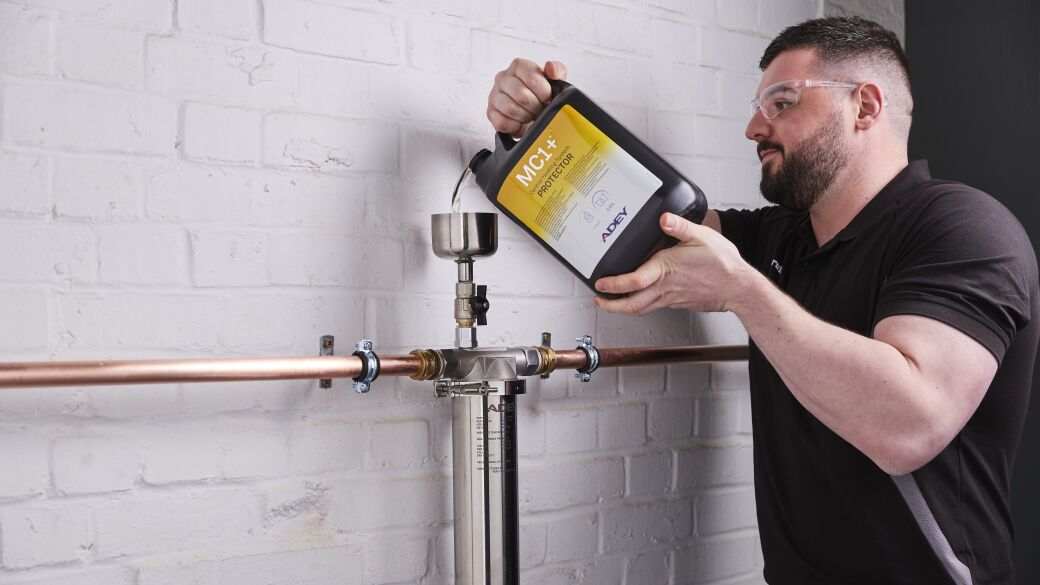
- Recommended Products – Once a heating system has been cleaned, ongoing protection is essential and the MC1+ Protector is formulated to help protect heating systems from corrosion, limescale and magnetite formation.
Suitable for a wide range of domestic heating systems, it provides multi-metal protection and supports long-term system efficiency.
Key benefits include:
- High-performance corrosion protection
- Limescale prevention
- Protection against magnetite sludge formation
- Multi-metal compatibility
- Suitable for all heating systems
- Supports efficient boiler operation
For continued protection, inhibitor levels should be checked during regular servicing and topped up when required.
Frequently Asked Questions
Is a central heating inhibitor necessary?
Yes. Without adequate inhibitor protection, heating systems are more vulnerable to corrosion, sludge build-up and limescale formation, all of which can reduce efficiency and increase the risk of component failure.
Is a boiler inhibitor the same as a central heating inhibitor?
In most cases, yes. The terms are often used interchangeably to describe chemical treatments designed to protect heating systems from corrosion and scale.
What happens if inhibitor levels are too low?
Low inhibitor levels can reduce system protection and leave components vulnerable to corrosion, sludge accumulation and limescale build-up.
How often should inhibitor be checked?
Inhibitor levels should typically be checked during annual servicing to ensure continued protection and optimum performance.
Can inhibitors improve energy efficiency?
By helping prevent corrosion, sludge and scale from developing, inhibitors support efficient heat transfer and system circulation, helping the heating system operate more effectively.
An inhibitor is a simple but highly effective solution for protecting heating systems from corrosion, sludge and limescale. By helping maintain clean system water and protecting critical components, inhibitors support efficient heating performance, reduce maintenance requirements and extend system lifespan.
Whether you’re a homeowner looking to reduce energy consumption or an installer committed to delivering long-term system protection, adding a quality central heating inhibitor is an important step towards maintaining efficiency and reliability.
While this guide has focused on how inhibitors improve heating system efficiency, there is much more to effective system protection than inhibitor treatment alone. Factors such as water quality, corrosion management, filtration, system cleaning and inhibitor testing all play an important role in maintaining heating system health.
To learn more about these topics, explore our related articles and guides where we take a deeper dive into heating system protection and how a complete heating system protection strategy can help deliver cleaner, more efficient and longer-lasting heating systems.

Products for Cold Weather
by Bimstore Curation